Pub/Sub Messaging Pattern: Explain Quickly

Ever wondered how modern applications like social media feeds, live sports scores, or financial tickers deliver real-time updates to millions of users instantly? The secret often lies in a powerful architectural style called Publish/Subscribe, or Pub/Sub.
In the simplest terms, Pub/Sub is a messaging pattern where the sender of a message (the publisher) is completely separated from the receiver (the subscriber). Instead of sending a message directly to a specific user, the publisher posts the message to a designated channel, known as a topic. Any subscriber who has expressed interest in that topic will then receive the message. This decoupling is the key to creating scalable, resilient, and flexible systems.
How is the Pub/Sub Pattern Used in Real-World Software?
The Pub/Sub pattern powers a wide range of applications:
Real-Time Data Feeds: A financial application might have a topic for "stock-prices." When the price of a stock changes, the publisher sends a message to this topic, and every user subscribed to it receives the update instantly.
Decoupled Microservices: In a microservices architecture, one service can publish an event (e.g., "new-user-registered") to a topic. Other services, like an email service or a welcome message service, can subscribe to this topic and react to the event without needing to know anything about the publishing service.
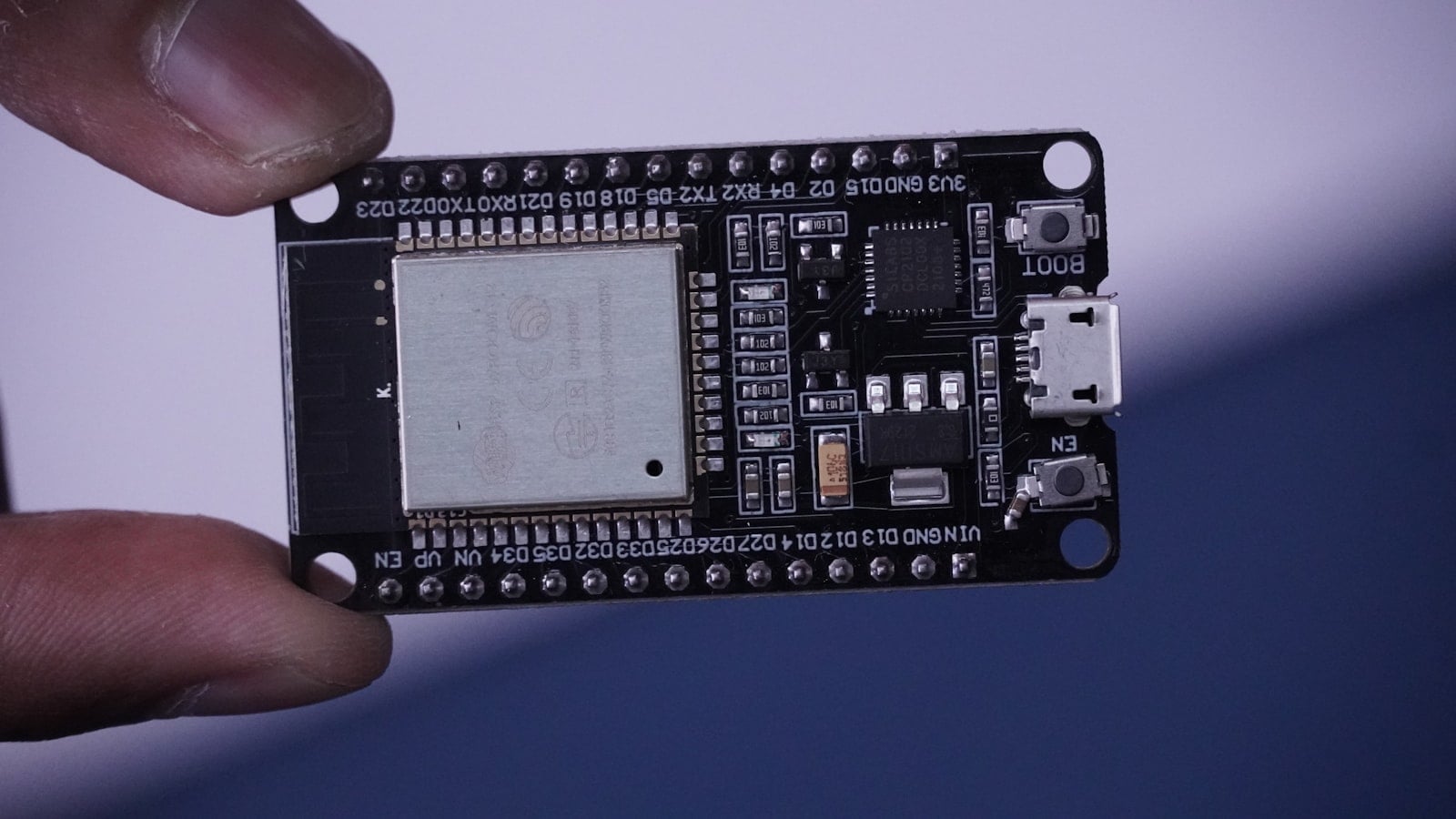
IoT (Internet of Things): Sensors in a smart home can publish temperature data to a "home-temperature" topic. The air conditioning system can subscribe to this topic and adjust the temperature automatically.
While Pub/Sub is an architectural pattern, it relies on underlying protocols to work. Two of the most widely used protocols for this purpose are MQTT and AMQP.
MQTT vs. AMQP: Choosing the Right Protocol for Your Needs
These two protocols are often the top choices for building messaging systems, but they are designed for very different use cases.
MQTT (Message Queuing Telemetry Transport)
MQTT is the king of lightweight messaging. It was built specifically for constrained environments, like those found in the Internet of Things (IoT).
Pros:
Extremely Lightweight: Has a minimal code footprint and very low overhead, making it perfect for devices with limited memory and processing power.
Low Bandwidth Consumption: Uses small message headers, which is crucial for networks with high latency or limited bandwidth.
Efficient: Its simplicity makes it very energy-efficient, a major benefit for battery-powered devices.
Best For: IoT devices, mobile applications, and any system where network efficiency is a top priority.
AMQP (Advanced Message Queuing Protocol)
AMQP is an enterprise-grade, feature-rich protocol designed for reliability and complex routing.
Pros:
Robust Reliability: Offers advanced features like message persistence and transactions, guaranteeing that messages are never lost, even if a system fails.
Complex Routing: Provides a sophisticated messaging model with exchanges and queues, allowing for intricate message delivery and routing rules.
High Performance: Built for high-throughput, mission-critical applications that require a strong guarantee of delivery.
Best For: Financial systems, complex microservices architectures, and applications where data integrity and guaranteed delivery are non-negotiable.
Summary: A Quick Comparison
| Feature | MQTT | AMQP |
| Complexity | Simple & lightweight | Complex & feature-rich |
| Primary Use Case | IoT, Mobile, Low-Bandwidth | Enterprise, Financial, Business-Critical |
| Reliability | Managed via QoS levels (0, 1, 2) | Built-in guarantees (transactions, persistence) |
| Bandwidth | Very Low | Higher due to more features |
By understanding the differences between these protocols and the Pub/Sub pattern they enable, you can make informed decisions to build highly scalable and reliable applications for the modern world.